Vastu-Compliant Homes: A Practical Guide to Creating Balance and Harmony
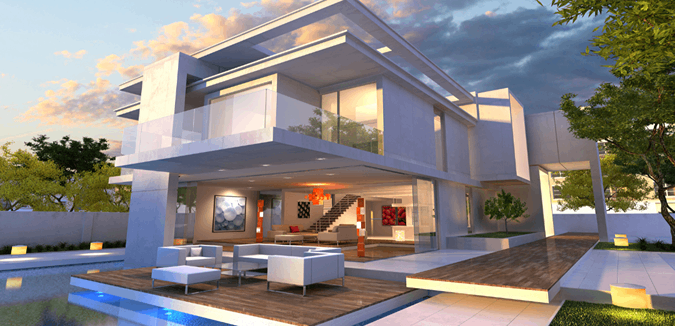
The house determines the way you live, sleep and think. It influences feelings, concentration and health on a daily basis. Furniture or finishes are not the only thing in design. It also concerns direction and movement. Vastu Shastra comes in at this point. The home that is in compliance with Vastu is aimed at harmony, focus and stability. It is based on architectural principles that have been time-tested and are based on direction, space and use. This is a guide that describes the application of Vastu in a practical manner. This article would enable you to comprehend and apply Vastu with a lot of certainty.
Similar Articles



































































_thumbnail_1756228078.jpeg)


_in_dubai_thumbnail_1749102836.jpeg)


Understanding the Foundation of Vastu
Vastu Shastra is an ancient Indian system of architecture. It is concerned with the relationship between the man-made spaces and the natural forces. These forces are direction, light, air and spatial balance. All homes are believed to radiate energy. The energy is received by residents over time. When rooms are arranged in the right location and maintained in a clean manner, the energy would be conducive. A Vastu-compliant plan prevents imbalance caused by poor planning, overcrowding, or improper orientation.
Simplicity is an aspect that Vastu values. Where possible, rooms need to be square or rectangular. Irregular or disjointed layouts disrupt spatial harmony. The houses must be light, spacious and receptive to the sunshine. Disorder hinders movement and attention. Heavy furniture should be placed judiciously, particularly in the intimate areas. These are fundamentals to any form of home, be it an apartment or a villa.
Main Entrance and Energy Flow

The opening of the house establishes the mood of the rest of the house. It can be regarded as the major entry point of energy. Vastu lays much stress on this area. The main door should preferably face North, East, or Northeast. These guidelines are connected with growth and stability. Entrances are not favoured on the south.
Lighting is critical. Stagnation is produced by a dark entrance. Make sure that the place is brightly illuminated. Cleanliness is essential. One should not have shoes, bins, or storage near the door. The door, per se, must be solid, attractive to the eye, and it must be higher than the rest of the house. It must open clockwise and must be obstruction-free. A nameplate adds clarity and identity to the entrance. These steps improve Vastu compliance without structural modifications.
Read More: 10 Best Construction Companies in Dubai
Living Room Placement and Setup

The most used section of the house is the living room. It influences the initial impressions and everyday contacts. Vastu suggests that the living room must preferably face East, North or Northeast. Also acceptable is Northwest. The heavy seating, like sofas, should be installed along the West or Southwest walls. This anchors the space.
Electronics such as televisions should be found in the Southeast zone. Mirrors should be placed only on the North wall. Colour choices matter. Cream, beige, white or soft pink are shades of light that assist in keeping energy calm. Do not buy an artistic piece that portrays sorrow or struggle. Select nature-themed images or neutral images. Damaged things, broken decor, or stopped clocks must be removed.
Read More: Dubai Hills Master Plan
Bedroom Alignment and Rest

Bedrooms have a close association with health and relationships. Vastu suggests that the master bedroom be located in the direction of the Southwest. This facilitates the grounding and stabilisation. The beds must be facing West or South. Sleep positions are not encouraged towards the north.
Beds with storage under them should be avoided. Free space under the bed leads to the circulation of energy. Bedding: Use light or earthy-colored bedding. Paintings on the walls should be done in neutral colours. Do not use black or too black a colour. The bed should not be in front of the mirrors. Reflecting surfaces are capable of interfering with sleep and attention. Bedrooms should not have water features or artwork that carries some form of water or water theme. Low-lighting and light natural perfumes will facilitate rest and the quality of sleep in a Vastu-compliant bedroom.
Read More: Palm Jebel Ali vs Palm Jumeirah Real Estate
Kitchen and Dining Areas

The fire element is displayed in the kitchen. It has to be positioned in harmony with other parts of the house. The kitchen would be best located on the Southeast corner. Northeast positioning must be avoided. Preferably, the cooking stove must be in the East. The appliances can be left in the Southeast zone.
Dining rooms are most effective in the West, North or East side of the house. The dining table should not be located close to the main entrance. Eating should be comfortable and hassle-free. Maintenance of the dining area should be clean and bright. Minimal designs are used to achieve order and continuity. These adjustments improve harmony without requiring renovation.
Read More: Nursery Options For Kids in Dubai Hills
Bathroom Placement and Hygiene

Bathrooms symbolise the water element. Their position has an impact on the balance. The Northwest direction is deemed appropriate for the bathrooms. Placement should be avoided in the south. The North or East wall should have the entrances to the toilets. The windows are to face North, East or West.
Showers, sinks and mirrors should be located along the North or East walls. Leaks should be corrected as soon as possible. Uncontrolled running water is associated with symbolism of movement and loss. Cleanliness is essential. A Vastu-compliant bathroom helps reduce negative energy buildup.
Read More: Living in Dubai as an Australian 2026
Simple Ways to Improve Vastu

Not every house can be redesigned. Even little things matter. Clean up the house and keep it tidy. Admit natural light and air into rooms every day. Plants such as bamboo that are indoors are usually linked to prosperity. Apply soft perfumes in order to keep fresh. Avoid unpleasant odours. The use of decorations must be minimal and meaningful.
The arrangement of furniture is more important than decorations. Keep passageways open. Items which are broken must not be stored. Decluttering should be done regularly to ensure a balance. Such customs cement living in vastu without altering the buildings.
Read More: Best Banks in Dubai for Foreigner
Conclusion
A vastu-compliant house does not mean superstition and over-regulations. It is of order, direction, and conscious design. In a situation where spaces are organised in the right way, day-to-day life becomes more balanced and concentrated. Minor adjustments are able to produce tangible differences in ease and distinctiveness. Whether one is purchasing, leasing or renovating their house, it is good to know about Vastu. A vastu-compatible method supports better living without unnecessary complexity. Having a well-planned and consistent approach, your house can be turned into a place that can really work in your favour.
Read Also:
