How to Get a Mortgage in Dubai: The Ultimate Guide
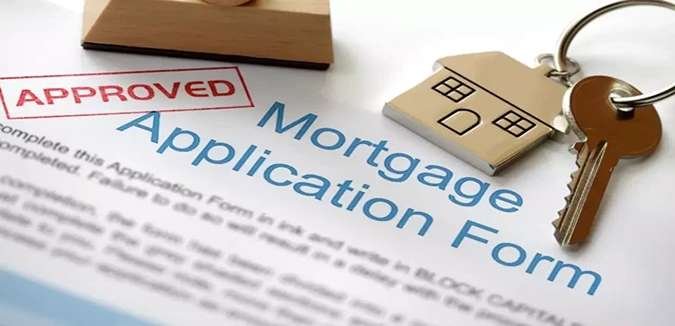
Need to purchase a home in Dubai and don’t know how a mortgage works? The process of obtaining a mortgage in Dubai may appear to be a challenging one, but with proper instructions, it may turn into an easily achievable and simple process. Being a resident or a non-resident, you will find it easier to know what eligibility requirements are, what documentation is needed, and what the steps of the application process are. This article will take you through all you need to know, including qualifying to purchase property up to the time you close your property purchase, without making any unnecessary, expensive mistakes. Let us explore the specifics to help you understand how to obtain a mortgage in Dubai.
Similar Articles








































































_thumbnail_1756228078.jpeg)


_in_dubai_thumbnail_1749102836.jpeg)


Understanding Mortgage Eligibility
The initial move to obtain a mortgage in Dubai is to know what is needed in terms of eligibility. A mortgage can be applied for by both residents and non-residents, such as Emiratis and foreigners. Nonetheless, there are certain requirements that you must have:
- Age: You have to be between 21 and 65 years.
- Income: The monthly income required by salaried people is AED 15,000, and the self-employed should earn at least AED 25,000.
- Residency: UAE nationals and expatriates alike can be accepted, but non-residents might not be able to get a wide range of mortgage options.
Meeting these requirements will improve your chances of obtaining a home loan in Dubai.
Read More: Apartments Types for Rent in Dubai
Gathering Necessary Documents
After making sure that you qualify in the eligibility criteria, the next thing that will be done is to collect the documents required. These documents will confirm your identity, financial position, and employment. Typically, you will need:
- Valid passport, Emirates ID, and residency visa.
- Evidence of earnings, such as payrolls and bank statements in the past 6 months, or salary certificates.
- Evidence of address in the form of a DEWA bill or rental contract.
- Documents related to property, like the offer contract of the property you are planning to buy.
These are very crucial documents that would help the bank determine whether you are eligible to take the mortgage loan.
Read More: Vastu-Compliant Homes
Choosing the Right Lender
Banks and financial institutions offer mortgages, which are usually sought out by mortgage brokers in Dubai, who can help you find the best deal. If interest rates have decreased or your financial situation has improved, refinancing may be a good option. These are some of the major considerations:
- Interest rates: Dubai mortgages are either fixed or variable rates. Fixed rates offer monthly payments that remain constant, while variable rates fluctuate with market conditions.
- Loan Terms: Check the term of the loan and its suitability to your financial situation.
- Fees: Do not ignore the processing fees, valuation fees, and mortgage registration fees.
When you have located a lender, you can pass on to the next point.
Read More: Landscaping Companies in Dubai
Getting Pre-Approval
Pre-approving a house loan will put you at an advantage in home shopping. Pre-approval implies that the bank accepts that you can be approved to take a mortgage of a specific limit. Another advantage of using this letter to sellers is that they know that you are a serious buyer, and this helps in a competitive market.
Pre-approval is usually completed within 3–5 working days, and the letter is valid between 60-90 days. Having a pre-approval, you can be sure of finding a property that is within your approved loan value.
Read More: Moving Companies in Dubai
Finding Your Property
After receiving the pre-approval, the next thing to do is to find your dream home. The price, location, and type of the property will dictate the amount of the mortgage loan. You can explore various locations in Dubai and choose between apartments, villas, or townhouses.
During the search, it is necessary to look into other expenses, including the valuation fees of the property and insurance that may be cumulative. Make sure that you locate a house that is within your budget and lifestyle.
Read More: Palm Jebel Ali vs Palm Jumeirah Real Estate
Finalising the Mortgage and Property Purchase
Once you have selected your property, the next step is to close the mortgage deal. Your financial institution will also demand a valuation of the house to determine its value. The bank may also send a representative to ensure the property meets valuation and mortgage security requirements.
When all this is done, you will pay the down payment amount that is normally between 15-30 percent of the value of the property, and also depending on whether you are an expat or a UAE citizen. When the down payment is paid, the bank will provide the mortgage amount, and the transfer of property will be made.
Read More: Dubai vs Abu Dhabi Real Estate
Mortgage Fees and Additional Costs
Besides the down payment, a mortgage in Dubai has a number of fees attached. These include:
- Arrangement Fees: The amount is normally about 1 percent of the loan itself.
- Valuation Fees: These are fees that are paid to the evaluator of the bank to establish the market value of the property.
- Mortgage Registration Fees: This is the fee imposed by the Dubai Land Department on registering the mortgage.
- Insurance: Life and property insurance is a possibility that the lender may require.
These additional charges may range between 3 and 5 percent of the property value.
Read More: Buying A Property In Dubai Marina
Islamic Mortgages (Shari’ah-Compliant Financing)
There are other Islamic banks in Dubai that provide other financing products to those who want to have a Shari’ah-compliant mortgage. These products, like Murabaha, Ijara, and Musharaka, are based on Islamic principles of finance, which forbid the application of interest. Instead, the bank sells the property to you at a markup or leases it to you with an option to purchase later.
These products are offered by major Islamic banks of Dubai, such as Dubai Islamic Bank and Emirates Islamic, to individuals who prefer a more ethical way of financing their home.
Read More: The Service Charge Index In Dubai
Mortgage Refinancing and Early Settlement
Refinancing can be done in case you wish to alter your terms in the mortgage, e.g., change your interest rate. Nevertheless, the cost of refinancing is usually accompanied by some expenses, such as the early settlement costs. When you have decided to pay off your mortgage early, inquire with your bank about the same.
In case the rate of interest has been lowered, or your financial status is better now, then refinancing is a good solution.
Read More: Moving to Dubai from Canada 2026
Conclusion
Taking a mortgage is a serious matter in Dubai, yet with the knowledge of the process and the steps required, one can easily take a home loan. This guide has explained everything there is to know about the process of obtaining a mortgage in Dubai, starting with an understanding of the eligibility requirements and the documents required to proceed with the work, the process of choosing the right lender, and the associated costs. Fulfilling a dream of owning a property in Dubai can be made possible with the right preparation.
Read Also:
