Abu Dhabi Airport Shops: What They Reveal About Nearby Property Demand
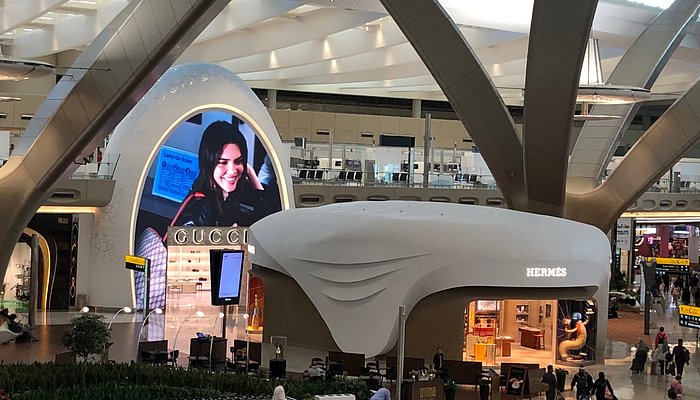
Abu Dhabi airport shops are more than a travel convenience. They reflect the wider lifestyle, employment and rental demand connected to Zayed International Airport. This guide explores how airport-linked areas can attract tenants, buyers and investors looking for practical living, shorter commutes, road access and everyday convenience near one of Abu Dhabi’s busiest transport hubs.
Similar Articles















































_thumbnail_1756228078.jpeg)


_in_dubai_thumbnail_1749102836.jpeg)


Why Airport Retail Matters More Than It First Seems
Airport shops are easy to dismiss as something only passengers care about. A perfume counter here, a café there, a few boutiques, some convenience stores and duty-free shelves.
Useful, yes.
But not exactly a real estate story at first glance.
Look a little closer, though, and airport retail becomes part of a bigger ecosystem. Shops need staff. Restaurants need teams. Lounges need service workers. Passenger services need support. Security, cleaning, logistics, transport, hotel operations and cargo activity all connect to the airport in one way or another.
That creates movement.
And movement creates housing demand.
Not always luxury demand. Not always high-end villa demand. Often it is more practical than that: apartments with sensible rents, family homes with parking, communities with road access, and buildings close enough to daily services that shift workers are not spending their limited free time fighting traffic.
This is why the keyword Abu Dhabi airport shops can be useful for property content. It opens the door to a wider discussion about airport-linked living.
The shops are the visible part.
The employment network behind them is the quieter part that property seekers should not ignore.
- Zayed International Airport as a Lifestyle and Employment Anchor
- The Property Angle Behind “Abu Dhabi Airport Shops”
- Living Near an Airport Is a Different Kind of Lifestyle
- Shops, Dining and the Convenience Network
- Property Types Near Airport-Linked Areas
- What Tenants Usually Care About
- What Buyers Should Look For
- Investment Potential Around the Airport
- The Danger of Overstating Airport Demand
- Road Access and Commute Reality
- Noise and Comfort Checks
- Daily Services Matter More Than People Think
- Who This Location Theme May Suit
- A Better Way to Judge the Area
- Before Renting Near Abu Dhabi Airport
- Before Buying or Investing
- About Non-Traveller Shopping Access
Zayed International Airport as a Lifestyle and Employment Anchor
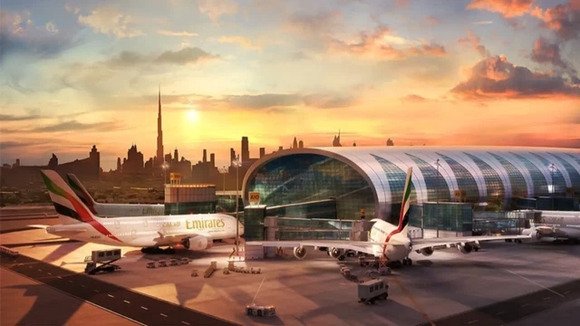
Zayed International Airport is one of Abu Dhabi’s major gateways. For travellers, it is about departures, arrivals, lounges, retail, dining and passenger services. For nearby residents and workers, however, it can shape daily life in a more practical way.
An airport is not just a building people pass through.
It is a workplace, a transport hub, a hospitality zone and, in many cases, a reason people choose one residential area over another.
For someone who works early shifts, late shifts or rotating schedules, commute time is not a small detail. It can decide whether the week feels manageable or permanently tiring. A person who finishes work late at night may care far more about a shorter drive and reliable parking than about having a trendy café district nearby.
That sounds plain.
It is plain. That is exactly why it matters.
Real life is often built from unglamorous choices: how long the drive takes, whether groceries are nearby, whether there is parking, whether children can get to school, whether the rent leaves enough room in the budget, whether the building feels safe when someone comes home after midnight.
Airport-linked areas need to be judged through that lens.
The Property Angle Behind “Abu Dhabi Airport Shops”
A traveller may search for Abu Dhabi airport shops because they need retail information. A property seeker may search the same phrase because they are trying to understand the area around the airport.
That difference matters.
For real estate search intent, the airport’s retail and dining offer signals convenience, employment and footfall. It suggests the airport is not only a transport point but also a service environment with a large number of workers and regular visitors.
Nearby property demand can come from different groups. Airline staff may want to reduce commute stress. Retail workers may look for practical rentals within reach. Logistics professionals may need road access more than lifestyle extras. Frequent travellers may prefer living somewhere that makes early flights less painful. Families connected to airport work may want schools, supermarkets and clinics without moving too far from employment.
None of this means every property near the airport is a strong investment.
It means the demand story has layers.
A smart buyer or investor should understand those layers before making assumptions.
Living Near an Airport Is a Different Kind of Lifestyle
Nobody usually says, “I dream of living near an airport” in the same way they might talk about a beach, marina or golf course community.
Airport-area living is different.
It is more practical, more transport-led and often more connected to work than leisure. That may sound less attractive, but for the right resident it can be extremely valuable. A shorter commute can give back time. Easy road access can reduce stress. Being close to the airport can make frequent travel feel less like a military exercise.
There is a certain relief in that.
Anyone who has left home at 4 am for a flight knows the difference between a long, half-awake drive and a shorter, calmer one. The same applies to airport staff. If your working day starts when most people are still asleep, distance matters.
Still, airport proximity has trade-offs.
Residents should think about traffic, aircraft noise, road layouts, distance from central leisure areas and whether the surrounding community has enough daily services. A home can be close to the airport and still feel inconvenient if supermarkets, schools, pharmacies and clinics are awkward to reach.
The airport helps.
It does not replace a neighbourhood.
Shops, Dining and the Convenience Network
Airport retail adds value in an unusual way.
For passengers, the benefit is obvious: shops, food, duty-free options, boutiques, cafés and travel services make the journey smoother. For residents nearby, the airport is not quite a daily mall replacement. Most people are not going to treat airport retail like a normal shopping centre, especially where access rules depend on travel status or airport policy.
Still, the presence of retail and dining matters.
It shows that the airport supports a wider service economy. It brings jobs. It brings visitors. It creates demand for transport, cleaning, maintenance, food service, logistics and hospitality. That activity can spill into nearby residential demand, especially in communities that offer easy road access and practical rents.
There have also been references to temporary registered access initiatives for some non-travellers in 2026, although anyone relying on that should check the current official rules before making plans. Airport access policies can change, and property decisions should never rest on a one-off retail arrangement.
The broader point is stronger than any single initiative.
Zayed International Airport is part of a major movement network, and nearby property markets can feel the effect.
Property Types Near Airport-Linked Areas
Property demand around airport-linked locations is rarely one-size-fits-all.
Some tenants may want apartments: simple, well-priced, easy to maintain, with decent access to work. Others may need family homes with parking, schools nearby and enough space for children. Staff accommodation can also form part of the wider housing picture, especially where employers or groups of workers need practical access to the airport.
Villas may appeal to families with bigger budgets, particularly if they want space while keeping airport access manageable. But again, the appeal is usually practical rather than showy.
The deciding factor is often commute efficiency.
A resident working shifts at the airport may value a shorter drive, reliable parking and a clean building more than a skyline view. A logistics professional may care about road links. A cabin crew member may want easy movement at odd hours. A family may want nearby supermarkets, schools and clinics before they care about high-end amenities.
This is where airport-area property differs from lifestyle-led communities.
The question is not, “Is it impressive?”
The question is, “Does it work?”
What Tenants Usually Care About
Tenants interested in living near Abu Dhabi airport may include airline employees, airport retail staff, cabin crew, logistics workers, hospitality professionals and frequent flyers.
Their priorities can be quite specific.
Commute time comes first for many. Not the perfect commute shown on a map at midday, but the real one during shift changes, early mornings or late evenings. Parking matters too. A building with difficult parking can quickly become irritating, especially for residents coming home tired after irregular hours.
Then come the everyday essentials.
Is there a supermarket nearby? A pharmacy? A laundry? A clinic? Are schools reasonable for families? Is the building easy to access from main roads? Does the neighbourhood feel comfortable after dark?
These are not luxury questions.
They are living questions.
A tenant may forgive the absence of a fancy gym if the flat is clean, the rent is sensible and the drive to work is short. They may not forgive weak maintenance, poor air conditioning, noisy surroundings or a lack of basic services.
Airport proximity can attract interest.
The property itself has to keep it.
What Buyers Should Look For
Buyers considering property near airport-linked areas should avoid being dazzled by the word “airport”.
A major airport can support demand, yes. It can bring employment, travel activity and service-sector movement. But those factors do not automatically make every nearby building a strong purchase.
The community still matters.
So does the property type.
A family villa in a well-connected community has a different buyer profile from a compact apartment aimed at airport staff. A building with strong parking and practical layouts may perform better than one closer to the airport but weaker on maintenance. A slightly farther community with schools, supermarkets and better road access may appeal more than a closer property with poor daily convenience.
Buyers should ask a simple question: who would want to live here, and why?
If the answer is clear, the property may be worth deeper study.
If the answer is only “because it is near the airport”, that is not enough.
Investment Potential Around the Airport
Airport-linked property demand can be resilient, especially where employment, logistics and transport activity remain strong. There is usually a steady pool of people who need practical access to the airport and related industries.
Still, investors should be careful.
“Near Zayed International Airport” is not a rental guarantee.
The numbers need checking. Actual rents. Vacancy levels. Service charges. Building condition. Parking. Tenant profile. Road connectivity. Nearby supply. Future maintenance risk. These details decide whether an investment works.
A property with good layouts, sensible pricing, parking and access to daily services may outperform a unit that relies only on airport proximity. Tenants do not rent a pin on a map. They rent a home, a commute and a routine.
That routine has to make sense.
For investors, the strongest airport-area properties are often the ones that feel boringly practical. Good access. Clean building. Fair rent. Useful shops nearby. Reliable parking. Clear tenant audience.
Not glamorous.
Often rentable.
The Danger of Overstating Airport Demand
There is a common trap in property writing: take a major landmark, place a circle around it and call everything inside that circle “high demand”.
Reality is less generous.
An airport can support demand, but the strength of that demand varies by community, road access, rent level and property quality. Some nearby homes may suit airport workers very well. Others may be close on the map but awkward in practice because of traffic, poor roads or weak services.
Investors should also watch nearby supply. If many similar units are available at the same time, airport proximity alone may not protect rents. Tenants will compare. They will choose the cleaner building, the better price, the easier parking or the more comfortable layout.
The airport may bring them into the search.
The property has to win the decision.
That distinction matters.
Road Access and Commute Reality
When people consider living near Zayed International Airport, the road network becomes one of the most important details.
Not distance.
Road access.
A home can be geographically close but practically awkward if the route is indirect. Another property may sit farther away but offer smoother access because the roads work better. This is why map distance should never be treated as the full story.
Test the commute at the time it matters.
For airport staff, that may mean early morning, late evening or shift-change periods. For families, it may be school-run timing. For frequent travellers, it may mean the route during peak departure hours. For investors, it means understanding how a future tenant will judge the address.
A five-minute difference on paper can feel much larger when repeated every day.
And daily repetition is what turns a property from “good enough” into either a relief or a regret.
Noise and Comfort Checks
Airport-linked living also raises the question of noise.
Not every nearby area will experience aircraft noise in the same way, and not every resident will respond to it equally. Some people barely notice. Others find even occasional noise disruptive. Building quality, glazing, orientation and floor level can all change the experience.
So the only sensible approach is to test it.
Visit the property at different times if possible. Stand inside with the windows closed. Then open them. Listen not only for aircraft but also for road noise, service vehicles, nearby construction and general street activity.
For families, sleeping patterns matter. For shift workers, daytime rest may matter even more. A cabin crew member sleeping after a long flight may care deeply about noise at hours when other residents are out.
Comfort is personal.
That is why assumptions are risky.
Daily Services Matter More Than People Think
A property near the airport still needs a normal life around it.
Supermarkets, pharmacies, clinics, schools, nurseries, petrol stations, laundries, gyms and casual dining can all influence whether the location feels practical. If every small errand requires a long drive, airport proximity may not feel like enough.
This is where some communities will perform better than others.
The best nearby residential areas will combine airport access with everyday services. They will allow residents to work, travel, shop, rest and manage family life without constant friction.
For tenants, this can make the difference between renewing a lease and moving after one year.
For investors, it can affect retention.
A tenant who finds life easy is more likely to stay.
Who This Location Theme May Suit
Living near Abu Dhabi airport may suit frequent travellers, aviation professionals, airport employees, cabin crew, retail staff, logistics workers and hospitality professionals. It may also appeal to families where one household member works around the airport and wants to reduce daily commute pressure.
Investors may be interested if they are looking for practical rental demand rather than purely lifestyle-led appreciation.
It may not suit everyone.
Buyers who want beachfront living, downtown walkability, nightlife, marina views or a quiet remote community may prefer other parts of Abu Dhabi. Airport-area living is more functional. That can be a strength or a weakness, depending on the person.
A frequent flyer may see convenience.
A beach lover may see compromise.
Neither is wrong.
A Better Way to Judge the Area
The useful question is not simply, “Is living near the airport good?”
Good for whom?
For an airport employee finishing late shifts, it may be excellent. For a family with school access and a reasonable rent, it could be very practical. For someone who wants cafés, waterfront walks and leisure on the doorstep, it may feel too work-led.
Property decisions become clearer when they are matched to routine.
How often do you travel? Where do you work? What time do you commute? Do you need schools nearby? Do you prefer quiet or convenience? Are you comfortable with airport-linked movement? Would the location save you time every week?
These questions are more useful than broad claims about airport demand.
A location is only strong when it supports the life being lived there.
Before Renting Near Abu Dhabi Airport
Before renting near Zayed International Airport, inspect the property like someone who will actually live there, not like someone rushing through a viewing.
Check the route to the airport. Then check the route to everywhere else you use regularly. Look at parking. Test phone signal. Ask about maintenance. Look at the lifts, corridors and entrance. Listen for noise. Check air conditioning, water pressure and storage.
If you work shifts, consider your rest patterns. Can you sleep during the day if needed? Is the area noisy at night? Is the building safe and easy to access after late finishes?
For families, schools and daily services deserve more attention than the airport itself. A short airport commute is helpful, but it cannot replace a workable school route or a nearby supermarket.
Small details become large after moving in.
They always do.
Before Buying or Investing
Buyers and investors should go further than tenant-level checks.
Look at actual rental evidence, not only asking prices. Compare nearby supply. Check service charges and maintenance quality. Think about vacancy risk. Ask who the likely tenant would be. Airport staff? Families? Frequent travellers? Logistics workers? Short-term renters?
Each group wants something slightly different.
A unit aimed at professionals may need easy road access and practical parking. A family home needs schools, safety and supermarkets. Staff accommodation has its own logic. A villa may depend more on family comfort than airport distance.
Do not buy a general idea.
Buy a specific demand story.
If the property’s strongest argument is only “close to the airport”, keep digging.
About Non-Traveller Shopping Access
Some reports in 2026 referred to temporary registered access for certain non-travellers to use airport shopping and dining. That is interesting, but it should be treated carefully.
Policies can change.
Anyone wanting to shop at the airport without flying should check current official access rules before making plans. From a property perspective, this kind of initiative may show how airport retail can sometimes reach beyond passengers, but it should not be used as the foundation for a buying decision.
The larger point is more reliable: airport retail, dining and passenger services support employment and activity around the airport.
That is what matters for nearby property demand.
Final Thoughts
Abu Dhabi airport shops may begin as a travel search, but the phrase points towards a wider real estate story. Zayed International Airport is more than a transport hub. It supports retail, dining, employment, hospitality, logistics and regular visitor movement.
For nearby property, that can matter.
Tenants may value shorter commutes and practical access. Buyers may see long-term demand if the surrounding community is well planned. Investors may find opportunities where pricing, parking, layouts, services and road connections all support the same tenant profile.
But airport proximity is not enough on its own.
The best property choices near Zayed International Airport will be the ones that combine access with liveability: sensible rent, clean buildings, useful layouts, parking, daily services and routes that work in real life.
So the real question is not simply whether you would live closer to the airport.
It is whether that closeness would make your ordinary week easier.
For the right resident, it might.
For someone chasing beachfront calm or downtown energy, probably not.
That difference is exactly why the property has to be judged around the person, not the landmark.
